Understanding Wandering Eyes in Relationships: Why Looking Happens and What Comes Next

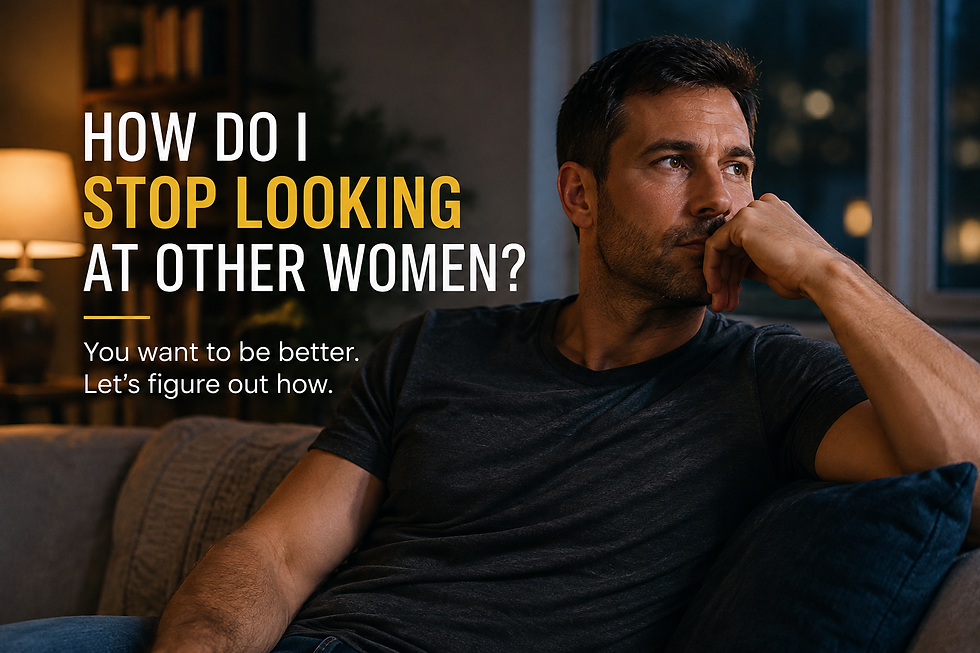
You’ve probably caught yourself or your partner glancing at someone else. Maybe it was a quick look, or maybe it lingered a bit longer than you expected. Before you jump to conclusions or start rehearsing your best “Why are you looking at them?” speech, let’s take a breath and unpack what’s really going on with wandering eyes in relationships. Spoiler alert: looking is natural, hurt is real, and neither means your relationship is doomed.
Why Do Wandering Eyes Happen in Relationships?
First off, looking is human. Your eyes are wired to notice things - it’s how you survive, thrive, and yes, sometimes get distracted. When you’re in a relationship, your brain doesn’t suddenly turn off its curiosity switch. You might glance at someone because they have a great smile, a cool outfit, or simply because something caught your attention.
But here’s the kicker: there’s a difference between a glance and ongoing attention. A quick look doesn’t mean your partner is planning a secret rendezvous. It’s more like a “Hey, that’s interesting” moment. The trouble starts when those looks turn into lingering stares or repeated behavior that feels disrespectful or secretive.
Think of it like this: your eyes are like a browser with multiple tabs open. Sometimes you click on a new tab, but that doesn’t mean you’re abandoning the one you’re on. It may be curiosity; what happens next is what really matters..

Navigating Wandering Eyes in Relationships Without Drama
So, you noticed your partner looking. What now? First, don’t panic or label yourself as insecure. It’s okay to feel a twinge of jealousy or discomfort. That’s your emotional radar doing its job. But remember, feeling something doesn’t mean you have to act on it with accusations or assumptions.
Here’s a simple approach to handle it:
Separate the first notice from continued behavior. One glance is not a pattern. If it’s a one-time thing, it’s probably harmless.
Check in with your feelings. Are you feeling hurt, ignored, or disrespected? That’s valid and worth talking about.
Communicate calmly. Instead of “Why are you looking at her?” try “I noticed you looked at that person, and it made me feel a bit uneasy. Can we talk about it?”
Set boundaries together. What feels okay? What crosses a line? Every couple is different, so find your shared comfort zone.
Offer reassurance and respect. Let your partner know you trust them but also want to feel valued.
Remember, it’s not about policing each other’s eyes but about respecting feelings and maintaining trust.

When Looking Feels Like More Than Just Looking
Sometimes, wandering eyes can sting more than a glance. Maybe it’s the frequency, the secrecy, or the way it makes you feel invisible. That’s when it’s time to dig deeper.
Ask yourself:
Is this about curiosity or dissatisfaction?
Are there unmet needs in your relationship?
Is your partner’s attention making you feel less important?
If the answer is yes, it’s a signal to reconnect and address what’s missing. Wandering eyes can be a moment worth discussing, not proof that something is missing. Sometimes reassurance, a clearer boundary, or just a moment of good old-fashioned communication is all that is needed.
It’s also important to recognize that hurt feelings don’t mean you’re weak or jealous. They mean you care. And caring is the foundation of any strong relationship.
Practical Tips to Handle Wandering Eyes with Humor and Grace
Let’s be honest - nobody wants to live in a relationship where every glance is a mini-drama. Here are some down-to-earth tips to keep things light and loving:
Laugh it off sometimes. “Hey, I see you checking out that person. Should I be worried or just jealous of their shoes?”
Use “everyone looks digital book” as a resource to understand that looking is normal and how to handle it without losing your cool. It’s packed with tools to help you navigate these moments with humor and emotional intelligence.
Create a shared private signal. A funny phrase or gesture that says “I noticed you noticed” without making it a big deal.
Focus on what happens after the look. The real test is how you reconnect, reassure, and respect each other afterward.
Practice gratitude. Remind yourself why you’re together and what makes your relationship unique.
These small actions can turn a potentially tense moment into an opportunity for connection.
What Happens After the Look Really Matters
Here’s the truth: the look itself is just the start of the story. What you do next is what shapes your relationship. If you respond with trust, humor, and openness, you build a stronger bond. If you respond with suspicion, blame, or silence, you risk creating distance.
Think of wandering eyes like a pebble tossed into a pond. The ripples are your reactions. Calm waters come from calm responses.
If boundaries are crossed, it’s okay to say so. You can ask for respect and repair without making your partner feel like a villain. It’s about teamwork, not trials.
And if you want to dive deeper into this topic, the Everyone Looks digital book offers a treasure trove of insights and practical tools to help you navigate looking, trust, and connection with a wink and a nod.
Wandering eyes don’t have to be a relationship deal-breaker. They’re part of being human. What really counts is how you handle the feelings, the conversations, and the moments that follow. So next time you catch a glance, take a breath, smile, and remember - it’s not just about the look, it’s what happens next that really matters.
Comments